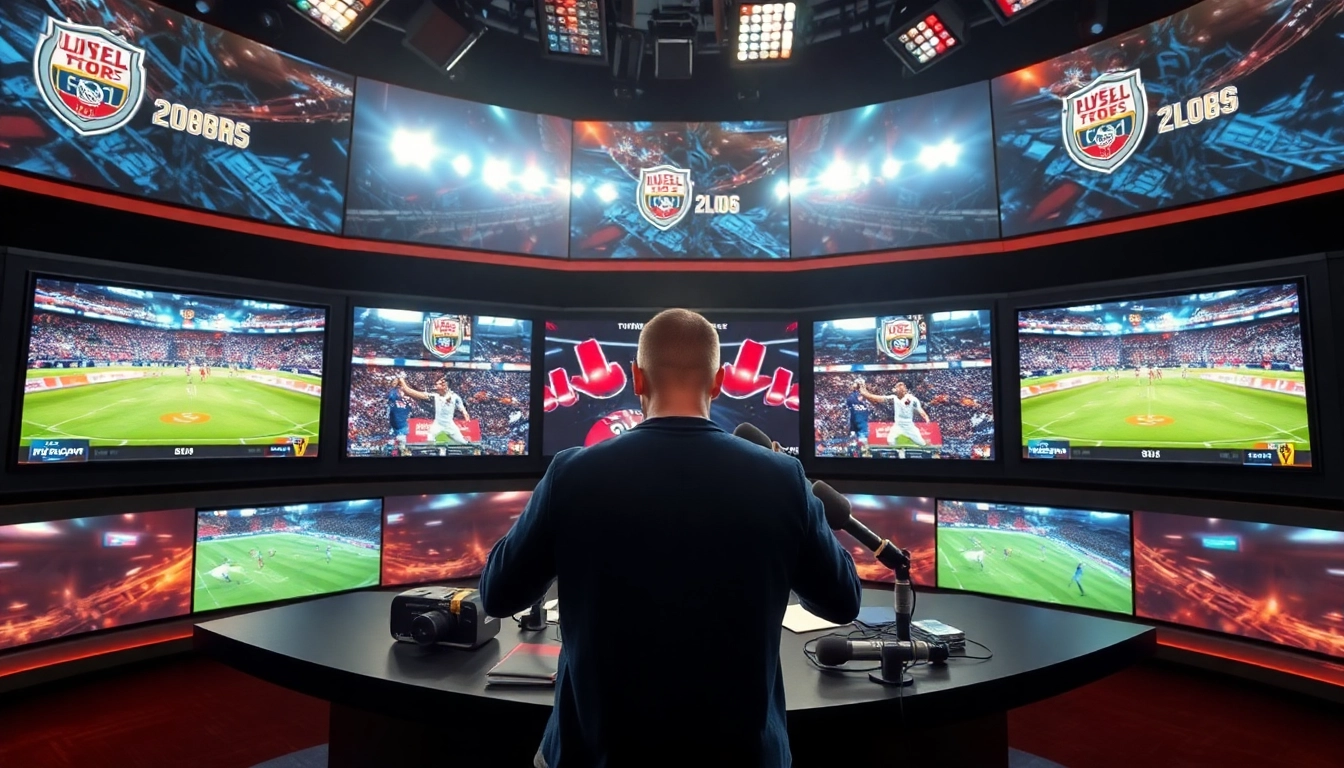
Introduction to Sports Broadcasting
Definition and Importance of Sports Broadcasting
Sports broadcasting refers to the live coverage and commentary of sporting events, allowing fans to connect with their favorite teams and athletes in real-time. It plays a vital role in the sports industry by enhancing fan engagement, generating revenue through advertising and sponsorship, and providing platforms for athletes to showcase their skills. The seamless integration of technology has further amplified the reach and quality of Sports Broadcasting, making it an essential aspect of contemporary sports culture.
History of Sports Broadcasting
The roots of sports broadcasting can be traced back to the early 20th century, beginning with radio broadcasts of sports events. The first live radio broadcast of a sport occurred in 1921, featuring a boxing match. Soon after, television emerged as a powerful medium, transforming how sports were consumed. The 1950s and 1960s marked a significant period of growth, with the advent of color TV and major events like the Olympics and Super Bowl being broadcast to millions. Over the years, technological advancements, including satellite TV and, most recently, streaming services, have played a pivotal role in shaping how audiences experience sports.
Key Players in Sports Broadcasting
The landscape of sports broadcasting comprises various key players, including broadcasting networks, streaming platforms, sports leagues, and advertisers. Broadcasting networks, such as national and regional television channels, have historically been at the forefront, securing rights to major sports events. Streaming platforms have emerged as formidable competitors, offering fans access to sports content anytime, anywhere. Additionally, sports leagues, through their own media channels, increasingly control their broadcasting rights, allowing for innovative distribution methods. Advertisers seek to capture the engaged audiences that sports broadcasting provides, making it a critical aspect of their marketing strategies.
Technological Advancements in Sports Broadcasting
Impact of Streaming Services on Sports Broadcasting
With the growing popularity of streaming services, traditional sports broadcasting has been transformed. Viewers now expect on-demand access to sporting events, leading to a shift in how content is distributed. Services like Netflix and Hulu have set a precedent for user-friendly interfaces and personalized content recommendations, prompting sports networks and leagues to adapt. Many have launched their own streaming apps, providing live coverage and exclusive content directly to consumers. This trend enables viewers to watch games across multiple devices and formats, making sports more accessible than ever before.
Emerging Technologies in Broadcasting
Technological advancements in broadcasting have introduced several innovations that enhance viewer experience. High-definition (HD) and ultra-high-definition (4K) broadcasts allow fans to enjoy games with stunning clarity. Furthermore, augmented reality (AR) and virtual reality (VR) are changing how audiences engage with sports, enabling immersive viewing experiences. Technologies like instant replay and advanced analytics offer fans deeper insights into game strategies and player performances, creating a richer viewing experience. Additionally, social media integration allows real-time interaction and feedback, further bridging the gap between viewers and the sporting world.
Future Trends in Sports Broadcasting Technology
The future of sports broadcasting is poised for substantial change driven by ongoing technological advancements. Artificial intelligence (AI) is expected to play a significant role in content curation and personalization, providing tailored experiences for viewers. Predictive analytics will enhance fan engagement by offering personalized content and interactive features. Moreover, the rise of 5G technology is set to revolutionize live broadcasts, delivering high-quality streams with minimal latency and enabling new forms of content delivery, such as multi-angle streaming and real-time statistics. This evolution will create a more dynamic and enjoyable viewing environment.
Viewership Trends and Audience Engagement
Demographics of Sports Broadcasting Audiences
Understanding the demographics of sports broadcasting audiences is crucial for networks and advertisers. Traditionally, sports attracted primarily male viewers, but the landscape is changing. Current trends show a growing interest among female audiences, particularly for events like the Olympics and tennis tournaments. Furthermore, younger generations, including millennials and Gen Z, are shifting towards digital platforms, favoring Fortnite and esports over traditional sports. This demographic diversification encourages broadcasters to create inclusive content that resonates with a broader audience, ensuring sustained viewer engagement.
Impact of Social Media on Engagement
Social media has revolutionized the way fans engage with sports broadcasting. Platforms like Twitter, Instagram, and TikTok allow for real-time interaction during live events, creating a vibrant community of fans. Social media provides opportunities for broadcasters to share highlights, engage in discussions, and conduct polls or quizzes, adding layers of interactivity to the viewing experience. User-generated content also fosters a sense of belonging and connection among fans, as they can share their experiences and opinions, making them integral participants in the sports narrative rather than passive viewers.
Measuring Audience Interaction and Feedback
Measuring audience interaction and feedback is paramount for broadcasters aiming to refine their offerings. Various metrics, such as viewership ratings, social media engagement, and audience surveys, provide insight into viewer preferences. Analyzing these data points helps broadcasters understand what content resonates most, informing future programming decisions. Advanced tracking tools also allow for real-time assessment of audience reactions, enabling quick adjustments to broadcasting strategies. This data-driven approach is essential for fostering viewer loyalty and ensuring the continued success of sports broadcasting.
Regulations and Ethical Considerations
Legal Framework Governing Sports Broadcasting
The legal landscape surrounding sports broadcasting is complex, governed by a mix of federal regulations, copyright laws, and contractual agreements. Key laws include the Communications Act, which governs broadcast licensing, and copyright law, which protects the intellectual property rights of leagues and networks. Additionally, international broadcasting rights have become a critical aspect of negotiations, especially for global sporting events. Navigating this legal framework is essential for broadcasters to ensure compliance and maintain the integrity of their operations.
Ethical Issues in Sports Reporting
Ethical issues in sports reporting involve questions around accuracy, bias, and representation. Broadcasters have a responsibility to provide fair and truthful coverage, refraining from sensationalism that could mislead audiences. Additionally, ethical considerations include the representation of marginalized communities in sports, where biases can perpetuate stereotypes. Maintaining journalistic integrity is crucial for sustaining viewer trust and ensuring the credibility of sports broadcasting as a whole.
Best Practices for Ethical Broadcasting
Best practices for ethical broadcasting encompass transparency, inclusivity, and accountability. Broadcasters should ensure diverse representation in their coverage, highlighting different voices and perspectives. Training journalists on ethical standards is essential for fostering a culture of integrity in reporting. Additionally, encouraging audience feedback creates a feedback loop that allows broadcasters to identify areas for improvement, ensuring that their content remains relevant and trustworthy.
The Future Landscape of Sports Broadcasting
Predicted Changes in Viewership
Predicted changes in viewership indicate a dynamic shift towards a more personalized and flexible viewing experience. As audiences continue to demand on-demand access, traditional linear broadcasting may decline, shifting towards a subscription-based model that allows for greater consumer choice. Additionally, the integration of immersive technologies could redefine how sports are experienced, enabling fans to engage in previously unimaginable ways. This evolution will demand adaptability from broadcasters who must keep pace with rapidly changing viewer expectations.
Adapting to Global Sports Trends
As sports become increasingly globalized, broadcasters must adapt to emerging trends that reflect international interests. This includes catering to diverse sports preferences, as audiences outside of North America may prefer cricket, rugby, or esports. Understanding cultural nuances is essential in delivering relevant content. Leveraging technology to provide language-specific commentary or localized content can significantly enhance viewer connections, ultimately broadening audience reach and engagement.
Strategies for Successful Broadcasting
Successful broadcasting strategies revolve around innovation, viewer engagement, and adaptability. Embracing technology is paramount—broadcasters should continually explore new platforms and formats to reach audiences effectively. Building strong partnerships with leagues and advertisers fosters collaborative marketing efforts that benefit all parties. Additionally, actively incorporating viewer feedback into programming decisions aids in meeting audience expectations and enhancing the overall experience. These strategies are integral to thriving in the highly competitive landscape of sports broadcasting.
FAQs
What is sports broadcasting?
Sports broadcasting involves transmitting live coverage, commentary, and analysis of sporting events across television, radio, and online platforms, facilitating fan engagement.
How has technology changed sports broadcasting?
Technology has enhanced sports broadcasting through streaming services, HD broadcasts, instant replays, and immersive experiences via AR and VR, creating more interactive viewing.
Who are the major players in sports broadcasting?
Key players in sports broadcasting include broadcasting networks, streaming platforms, sports leagues, and advertisers that collaborate to deliver content and engage audiences.
How is audience engagement measured in sports broadcasting?
Audience engagement in sports broadcasting is measured through ratings, social media interactions, surveys, and real-time feedback tools that help broadcasters assess viewer preferences.
What are the ethical considerations in sports broadcasting?
Ethical considerations include accurate reporting, diverse representation, and avoiding bias, ensuring transparency and integrity in sports coverage to build viewer trust.